

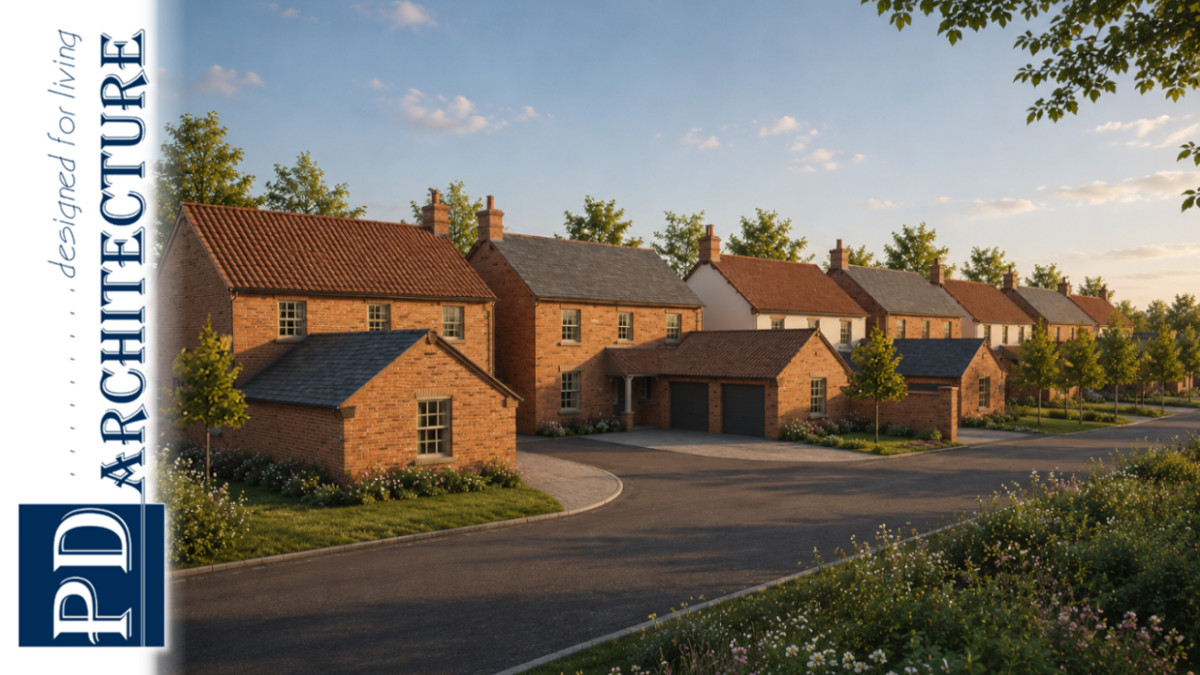
Architectural Blog:
Biodiversity Net Gain (BNG) Rules Change – What Do They Mean for Your Planning Application?
Biodiversity Net Gain (BNG) has been an important part of the planning system in England since 2024. However, significant changes to the rules came into effect on 6 August 2026, particularly for smaller developments.
The changes are intended to make the BNG system more proportionate, reducing the administrative burden on smaller developments while maintaining the overall objective of improving biodiversity.
What has changed?
The most significant change for many smaller developments is the introduction of a new 0.2 hectare exemption.
For planning applications submitted on or after 6 August 2026, BNG does not apply where the total site area within the planning application’s red-line boundary is 0.2 hectares (2,000m²) or less, provided the development does not negatively affect an on-site priority habitat.
This could be particularly relevant to individual house projects, extensions and smaller residential developments.
What about self-build homes?
One important change is that the previous specific exemption for self-build and custom-build housing has been removed.
Before 6 August 2026, qualifying small-scale self-build and custom-build developments could be exempt from BNG. That exemption no longer applies to new planning applications submitted on or after 6 August 2026.
However, a self-build project can still benefit from the new 0.2 hectare exemption if it meets the relevant criteria. In other words, self-build is no longer automatically exempt simply because it is a self-build, but many smaller self-build projects may still fall outside the BNG requirements because of their site area.
Other changes
The 6 August changes also introduced an exemption for certain temporary developments. Where the whole development is temporary and planning permission is granted for five years or less, BNG will generally not apply, provided the development does not negatively affect on-site priority habitat.
There has also been greater flexibility for some minor developments that remain subject to BNG, including more flexibility over how the required biodiversity gain is delivered.
What does BNG actually mean?
Where BNG does apply, most developments are required to achieve a minimum 10% increase in biodiversity compared with the site’s pre-development value.
This is assessed using the government’s biodiversity metric and can involve creating or enhancing habitat on the development site or, where appropriate, securing biodiversity gains elsewhere.
Importantly, being exempt from mandatory BNG does not mean that biodiversity and wildlife can simply be ignored. Existing environmental protections and planning policies continue to apply, and development should still seek to avoid and minimise harm to biodiversity.
What does this mean for your project?
The recent changes should make the planning process simpler for many smaller developments. However, whether BNG applies will depend on the size and nature of the development, the application date and the habitats present on the site.
For example, a new house on a 0.15 hectare site may now fall within the 0.2 hectare exemption, whereas a similar project on a 0.3 hectare site could still be subject to BNG.
The way the site is defined also matters. The 0.2 hectare test relates to the area within the red-line boundary of the planning application, so it is important that this is considered when preparing the planning application.
How can PD Architecture help?
At PD Architecture, we understand that planning requirements can sometimes be confusing, particularly when regulations are changing.
When developing proposals, we can help identify whether BNG is likely to apply to your project and ensure that biodiversity considerations are taken into account at an early stage.
If you are considering a new house, self-build, extension, replacement dwelling or other development, the recent changes could make a significant difference to the information and assessments required as part of your planning application.
Further information
For the latest official guidance, we recommend visiting:
- GOV.UK – Biodiversity Net Gain guidance
- GOV.UK – Biodiversity Net Gain: exempt developments
- GOV.UK – Understanding Biodiversity Net Gain
- Defra – Biodiversity Net Gain: Amendments and transitional arrangements
If you are planning a new development and are unsure whether the new BNG rules apply, contact PD Architecture to discuss your project and the planning requirements that may apply.
Tip: Use our free initial enquiry forms to request a meeting and discuss your project.
PD Architecture . . . residential specialists – everything we do is #designed4living.
An award Winning CIAT Chartered Architectural Practice. We provide architectural services for homeowners, developers, self-builders & architects in Nottingham, Leicester & beyond . . . back to homepage

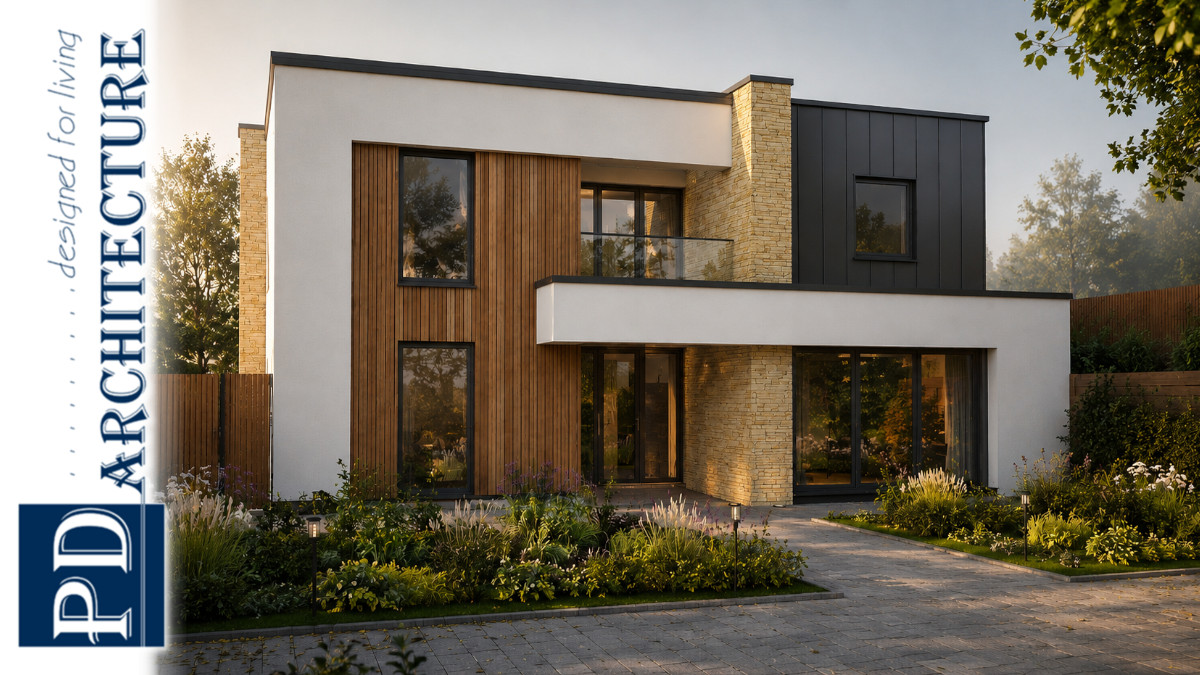
Architectural Blog: Custom Build Architectural Visualisation, a design defined by clean geometry and a strong architectural presence
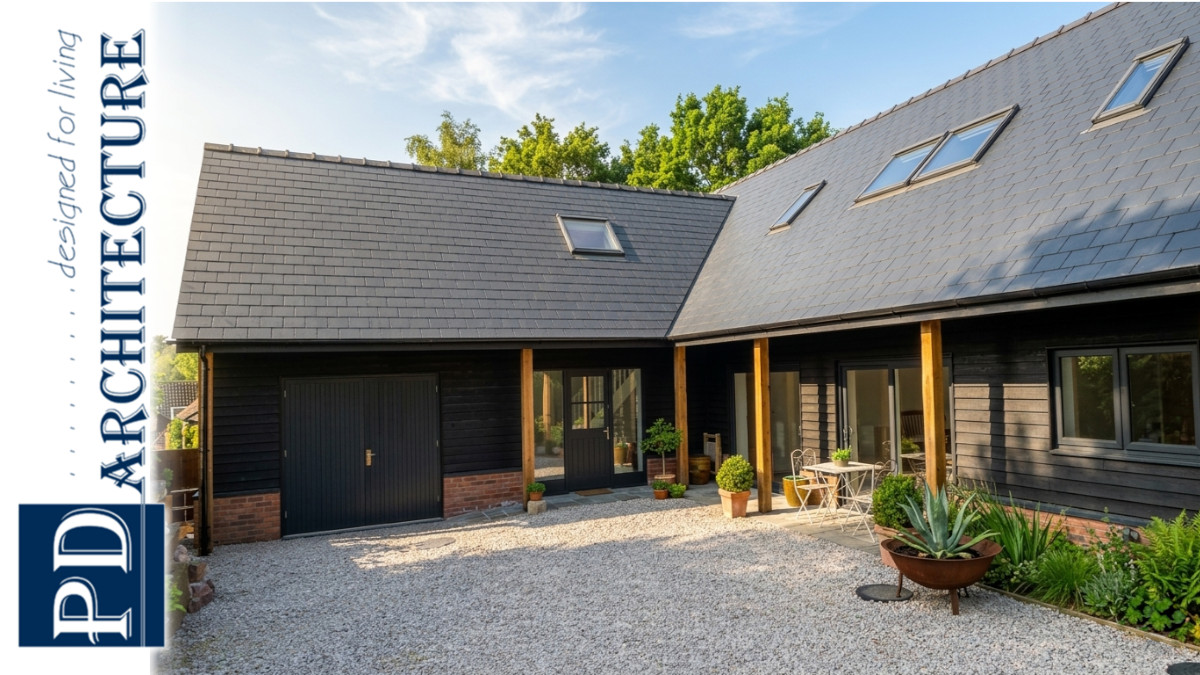
Architectural Blog: A bespoke self-build home created for a couple in the heart of Lowdham, Nottingham, (near Burton Joyce).